
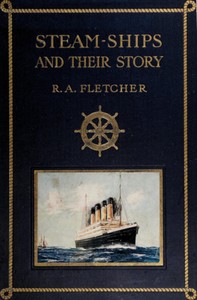
Steam-ships : The story of their development to the present day by R. A. Fletcher
Forget dry lists of dates and technical specs. 'Steam-ships' by R.A. Fletcher is a character-driven adventure about an idea that changed the world. It starts in the smoky workshops and winding rivers of the early 1800s, where the first steam-powered boats were more novelty than necessity. Fletcher guides us through each stumbling block and breakthrough, not as a distant historian, but as someone pointing out the drama. He shows us the rivalry between paddle wheels and propellers, the terrifying reality of early boiler explosions, and the sheer audacity of building a metal ship that many believed would surely sink.
The Story
The plot is the progress itself. It's a story of human ingenuity versus the raw power of the sea. We meet the stubborn inventors tinkering in their yards, the brave (or foolhardy) captains who took these newfangled machines onto open water, and the shipping magnates who saw a fortune in reliable travel. The central conflict isn't person-against-person, but vision-against-tradition and engineering-against-nature. Each chapter feels like solving a new puzzle: how to make engines more efficient, how to build stronger hulls, how to convince the public that steam was safe. The climax isn't a battle, but the triumphant era of the great ocean liners, where steam finally conquered the Atlantic and shrank the globe.
Why You Should Read It
What grabbed me was how human it all feels. This wasn't an inevitable march of progress. It was a series of guesses, failures, and occasional flashes of genius. Fletcher has a knack for finding the little details that make the history breathe—like the sailors who distrusted the silent propeller over the familiar churn of paddle wheels, or the social changes sparked by reliable steamship mail service. It makes you appreciate the everyday miracle of modern travel. You'll never look at an old photograph of a smokestack steamer the same way again; you'll see the decades of struggle and innovation it represents.
Final Verdict
Perfect for anyone with a curiosity about how things came to be. You don't need an engineering degree. If you enjoy stories about underdog inventions, world-changing technology, or the gritty details of the Industrial Revolution, you'll love this. It's a deeply satisfying read for history buffs who prefer their facts wrapped in a great story, and for any reader who likes to see how big problems get solved, one crazy idea at a time.
This text is dedicated to the public domain. It is available for public use and education.
Lucas Martin
1 year agoHelped me clear up some confusion on the topic.
Aiden Miller
1 year agoHaving read this twice, it provides a comprehensive overview perfect for everyone. Absolutely essential reading.
Jackson Jones
1 year agoThis book was worth my time since the author's voice is distinct and makes complex topics easy to digest. I learned so much from this.
Anthony Clark
1 year agoAfter hearing about this author multiple times, the pacing is just right, keeping you engaged. One of the best books I've read this year.









David Jones
1 month agoIt’s rare to find such a well-structured narrative nowadays, the objective evaluation of the pros and cons is very refreshing. A rare gem in a sea of mediocre content.